



































At an annual average, there are around 243 people who die in National Parks each year; the main causes are reported to be drowning, motor vehicle accidents, falls, and suicides. Recent cuts made to the budget of the National Park Service (NPS) by the Trump administration have made many wary and fearful of an increased number of deaths.
The Trump administration has had an interesting history with National Parks. There have been bills passed, like the Great American Outdoors Act, that have provided a level of funding that has never been seen before in the NPS’s history. But there have also been recent cuts to the National Parks budget, which have hurt the parks.
In 2024, there was a total of twenty-two million dollars cut from the NPS’s budget, with an additional twenty-two million dollars cut to maintenance and repairs. There were also an extra twenty million dollars from the historic preservation fund. It was also estimated that there were two hundred sixty-seven million dollars rescinded from the parks due to the One Big Beautiful Bill Act.
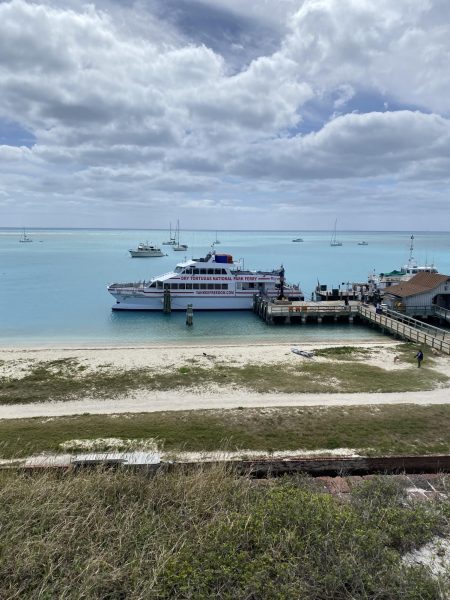
Hackley’s National Parks class takes field trips to different sites in New York. They are planning to visit Teddy Roosevelts birthplace this winter.
In 2025 there were an additional 1,000 rangers laid off. Even though many were reinstated, damage was still caused to the parks. The lay-offs showed many of the remaining rangers that their positions were fragile, and many chose to retire early or chase a different career.
The loss of Rangers has been devastating to the NPS. Many of their more experienced rangers decided to retire early, leaving a vacancy in posts that require experience and education in the parks.
Many of the positions that are hard to fill are posts in the visitor centers, as well as educational activities like ranger-led tours and lectures. This lack of resources has also led to the closure of large parts of the parks and some other sites.
A little-known fact about the NPS is that it doesn’t just encompass the National Parks, but also National Forests, rivers, monuments like the Statue of Liberty, as well as many museums.
“I just recently went to Philly (Philadelphia) and all the historical museums were closed because they are a part of the National Parks System. Same thing in DC, all the big historical sites and museums are closed because they are on NPS land,” said Tessa Johnson, an upper school Biology teacher who co-teaches the National Parks minor.
The lack of rangers has also led many in the parks to become worried about the safety of the parks’ guests. A lack of rangers means that there are fewer people to guide the guests away from dangerous areas and teach them the ways of staying safe on the trails and on some of the more dangerous mountain hikes that some parks offer. The lack of rangers means that if a guest is injured on a trail, there will be fewer rangers to get to them. Hikers could be stuck on the trails or mountains for extended periods of time, injured and defenseless.
Mr. Hasslinger, the other teacher who runs the National Parks class at Hackley, has said that he is worried about the inexperience of many of the hikers who go on the more dangerous trails at the park.
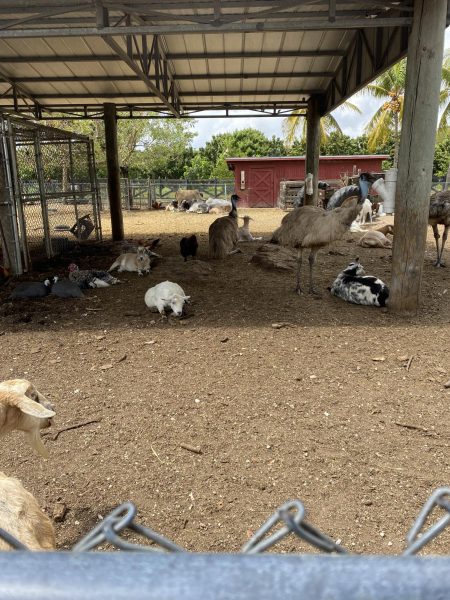
This years national parks class, headed by Mrs. Johnson and Mr. Hasslinger, are taking a trip to Hawaii to explore the National Parks located there.
“There will be no one there to get them to safety if they get stuck, or injured, or, god forbid, someone passes. They could be stuck on some of these trails for days,” Mr. Hasslinger said.
While a loss of rangers could hurt the guests, it has also impacted the parks themselves. Fewer rangers means fewer people cleaning up after the guests and doing maintenance on the trails, leading some areas of the parks to lose the natural beauty that they once held. This lack of cleanliness can be dangerous for guests as well as the many animals that live in the parks.
The lack of rangers, the consistent decline of the parks, and the lack of help from the federal government have taken a toll on the rangers still running the parks. Their morale has been hurt and they have become burnt out, as they now have to work overtime to cover the positions that have been left vacant.
Others have been impacted by the loss of money given to the NPS, most notably Native Americans and the communities that surround the parks.
Many of the towns surrounding the parks make a substantial profit off of guests not wanting to camp overnight, forgetting supplies, or simply wanting a souvenir. The lack of funds for the parks and the attempts to stop foreigners from coming into the parks have hurt these communities, limiting a source of income.
There have long been fights between indigenous tribes and the federal government over who has the right to the land that the parks are situated on. Many of the parks contain sacred spots and memorials for Natives, and the parks being formed have barred them from these spots for generations.
For tribes that are still arguing their right to land, the lack of rangers has impacted their progress. Fewer and fewer rangers have been able to correspond with them, leading to the process of getting their ancestral lands back being halted. The deterioration of the parks has also impacted many of the Native sacred lands, leaving them helpless.
Many of the educational programs that taught Native history, culture, and language were the first to be cut, leaving many of the visitors oblivious to the history the Natives share with the land.
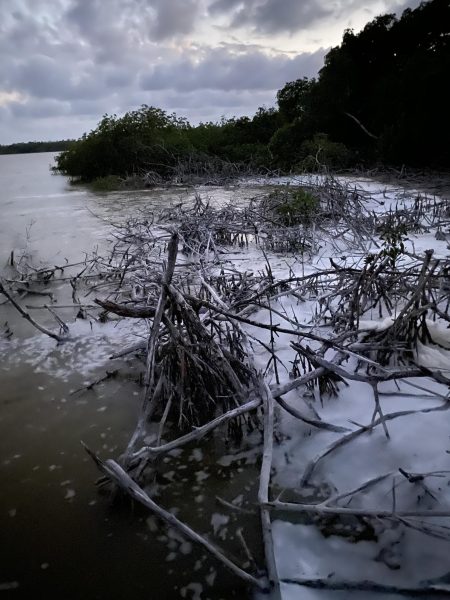
A main topic of discussion in Hackley’s National Parks class is the parks history with the Native Americans. It is a history that is not often touched upon due to its upsetting nature, but both teachers are determined to give the full history of the parks.
Additionally, the Trump administration has ordered that the plaques and lectures that teach the history of the parks, including the park’s bloody history with the Natives, be changed, as they are not true to the American image.
The National Parks class at Hackley, led by Ms. Johnson and Mr. Hasslinger, is one of the few courses to explore the complex history of the parks with the Native Americans.
“We do talk about the complex problem of who really owns the parks,” said Ms. Johnson. “A lot of the park plans are actually on Indigenous peoples’ lands, and how do we work with them? Do we own them or do they? There’s a bloody history to the parks that we talk about that doesn’t get talked about too much.”
Amity Doyle, a student currently in the National Parks class, said, “We talked a lot about the Natives and their history with the parks. We all thought that it was an important issue and one that deserves to be talked about.”
The Trump administration has offered little defense for why the NPS is being defunded, but one of the main reasons seems to be that more money is needed to fund the military and lower taxes.
The Trump administration has also exploited the land on which the parks are built, closing off large sections for construction, not for repairs, but to log, mine, and drill for gas.
This treatment of the parks goes against the NPS’s motto, which states: “Preserve unimpaired the natural and cultural resources and values of the National Park System for the enjoyment, education, and inspiration of this and future generations.”
The defunding of the NPS has led to changes in the parks that are hard to reverse, as well as the erasure of a complex history and culture.
Mary F Feeley • Nov 17, 2025 at 7:39 pm
What a well written and powerful piece of information! It would help if every American was informed of these facts and understood the impact of defunding the NPS . Shame on the Trump administration for not preserving our treasured National Parks and their history .